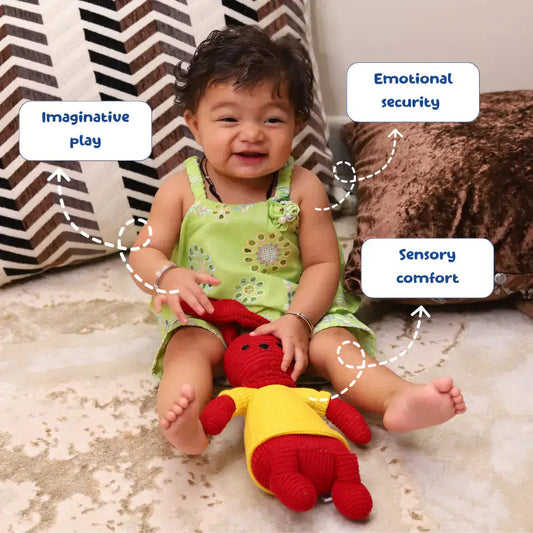
Social - Emotional Skills
-
Wild Moves Action Cards
Age : 1+ Years4.75 / 5.0
(32) 32 total reviews
Regular price Rs. 390.00 INRRegular priceRs. 690.00 INRSale price Rs. 390.00 INRSale -
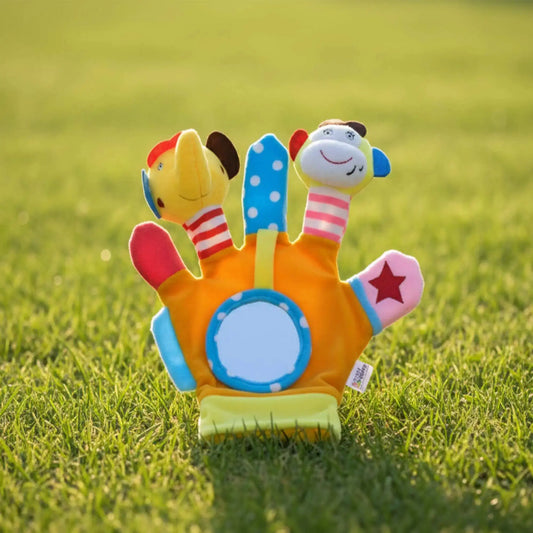
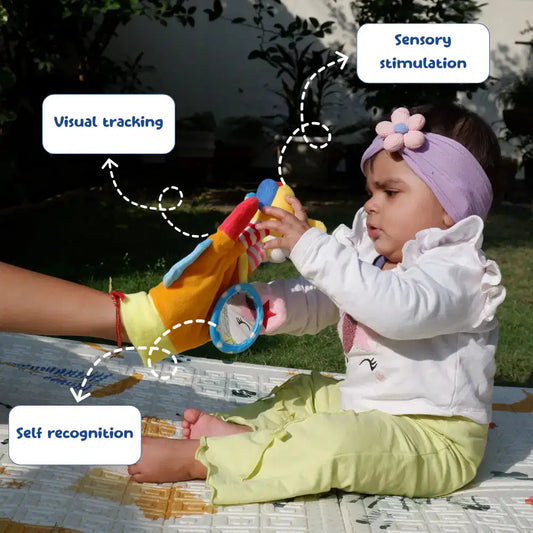
SaleEarly Joy Glove
Age : 0+ Years4.68 / 5.0
(40) 40 total reviews
Regular price Rs. 890.00 INRRegular priceRs. 995.00 INRSale price Rs. 890.00 INRSale -
Ollie the Puppet
Age : 1+ Years4.75 / 5.0
(44) 44 total reviews
Regular price Rs. 625.00 INRRegular priceRs. 625.00 INRSale price Rs. 625.00 INR -
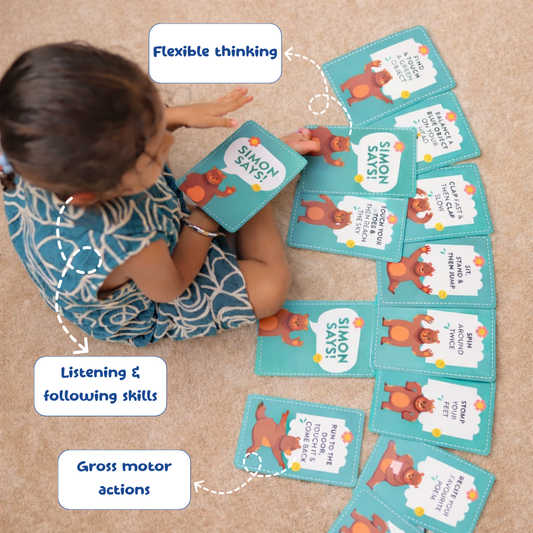
SaleBear Simon Says!
Age : 2+ Years4.66 / 5.0
(50) 50 total reviews
Regular price Rs. 350.00 INRRegular priceRs. 590.00 INRSale price Rs. 350.00 INRSale -
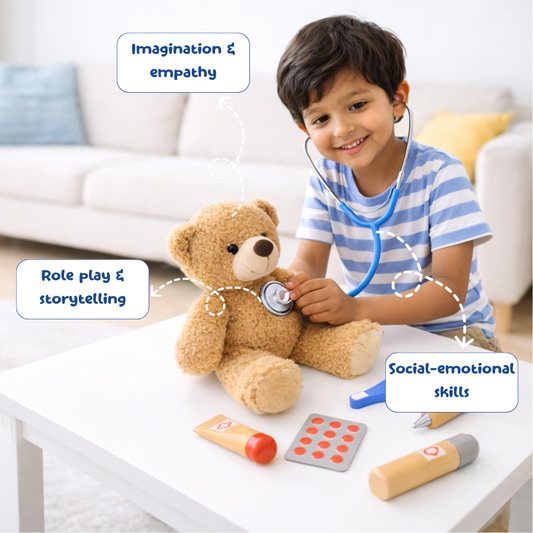
SaleDr Joy Play Set
Age : 2+ Years4.63 / 5.0
(43) 43 total reviews
Regular price Rs. 950.00 INRRegular priceRs. 1,095.00 INRSale price Rs. 950.00 INRSale -
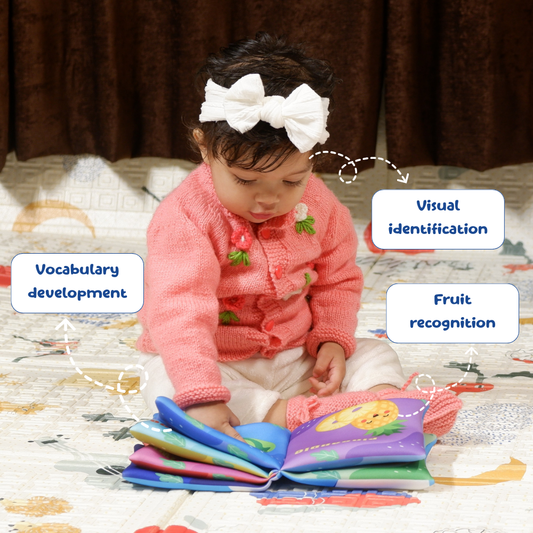
SaleTasty Tales Book
Age : 1+ Years4.8 / 5.0
(44) 44 total reviews
Regular price Rs. 550.00 INRRegular priceRs. 650.00 INRSale price Rs. 550.00 INRSale -
SaleJoy Bakery
Age : 1+ Years4.66 / 5.0
(44) 44 total reviews
Regular price Rs. 1,550.00 INRRegular priceRs. 1,695.00 INRSale price Rs. 1,550.00 INRSale
Collapsible content
1. What are social-emotional skill toys?
Social-emotional skill toys are designed to help children understand emotions, build relationships, develop empathy, and learn how to express themselves in healthy ways. Through play, children practice important life skills such as sharing, cooperation, communication, and emotional regulation.
2. Why are social-emotional skills important in early childhood?
Social-emotional skills help children form secure relationships, manage big feelings, build confidence, and navigate social situations. These early experiences lay the foundation for resilience, emotional well-being, and future success at school and in life.
3. What social-emotional skills can children develop through these toys?
JoyCrate's Social-Emotional Skills Collection helps nurture:
- Empathy and kindness
- Emotional awareness
- Self-expression
- Sharing and cooperation
- Turn-taking
- Confidence and self-esteem
- Communication skills
- Relationship building
JoyCrate believes that growing hearts matter just as much as growing minds.
4. What age group are these social-emotional toys suitable for?
Our Social-Emotional Skills Collection includes toys for children from birth to 3 years. From comfort objects and bonding toys for babies to role-play and cooperative activities for toddlers, each product is designed to support age-appropriate emotional growth.
5. Are Montessori toys good for social-emotional development?
Yes. Montessori-inspired toys encourage respect, independence, collaboration, and self-discovery. Through purposeful play and real-life experiences, children learn to understand themselves and connect meaningfully with others.
6. How can toys help children understand emotions?
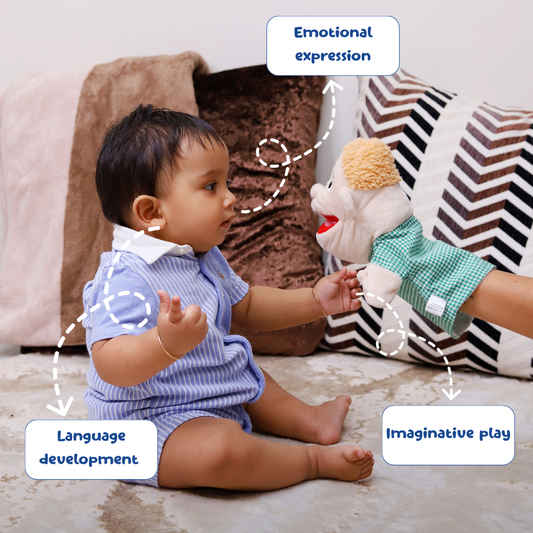
Books, puppets, dolls, and pretend play activities create safe opportunities for children to identify feelings, talk about emotions, and practice responding to different situations with empathy and understanding.
7. What types of toys support empathy development?
Puppets, nurturing dolls, soft comfort toys, pretend play sets, and storytelling activities encourage children to imagine different perspectives and practice caring behaviors toward others.
8. Can pretend play improve social skills?
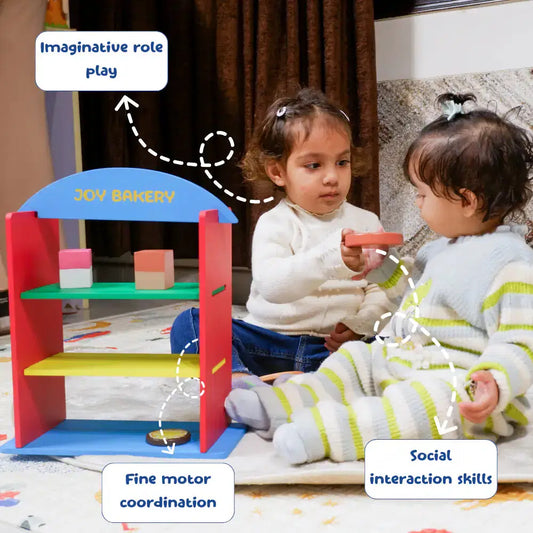
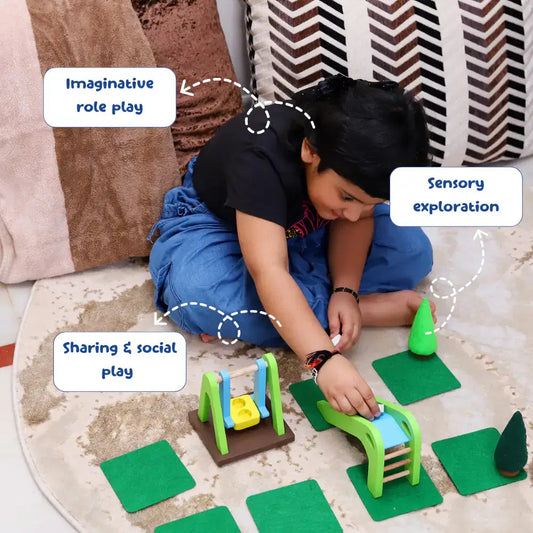
Absolutely. Pretend play allows children to explore everyday situations, practice conversations, take turns, cooperate, and understand social roles. Activities such as playing doctor, running a bakery, or caring for dolls support communication and relationship-building skills.
9. How do comfort toys benefit babies and toddlers?
Comfort toys can provide a sense of security during transitions, unfamiliar situations, or moments of distress. They often become trusted companions that help children develop emotional resilience and self-soothing skills.
10. Can social-emotional toys help children manage big feelings?
Yes. Through storytelling, role-play, and emotion-based activities, children learn to recognize feelings such as happiness, frustration, sadness, and excitement. This awareness helps them begin developing healthy coping strategies.
11. How can I encourage empathy and kindness at home?
Model kind behavior, talk openly about emotions, read stories together, encourage pretend play, and use everyday moments to discuss how others might feel. Simple conversations can have a lasting impact on emotional development.
12. Are these toys suitable for independent play?
Many social-emotional toys support independent exploration, while others are especially meaningful when shared with caregivers, siblings, or friends. Both independent and interactive play experiences contribute to emotional growth.
13. Why is social-emotional learning important before preschool?
Children who can express emotions, follow simple social rules, cooperate with peers, and adapt to new situations often transition more smoothly into preschool environments and group settings.
14. Are social-emotional toys good gifts for babies and toddlers?
Yes. Social-emotional toys make thoughtful gifts because they support lifelong skills such as empathy, confidence, communication, and emotional awareness while providing joyful, screen-free play experiences.
15. Why choose JoyCrate's Social-Emotional Skills Collection?
JoyCrate's Social-Emotional Skills Collection features neuroscience-led, Montessori-inspired toys thoughtfully designed to nurture emotional intelligence through play. From cuddly companions and puppets to role-play sets and cooperative activities, every product helps children build confidence, express emotions, strengthen relationships, and develop the empathy they'll carry throughout life. Because little hearts deserve big opportunities to grow.