Fine Motor Skills
-
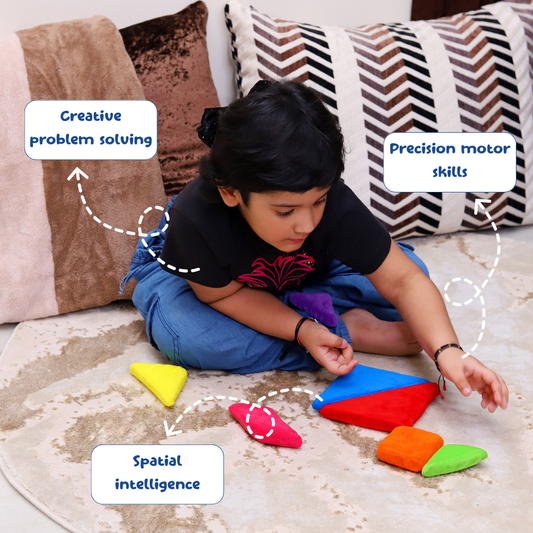
SaleFabric Tangram
Age : 2+ Years4.7 / 5.0
(33) 33 total reviews
Regular price Rs. 1,150.00 INRRegular priceRs. 1,225.00 INRSale price Rs. 1,150.00 INRSale -
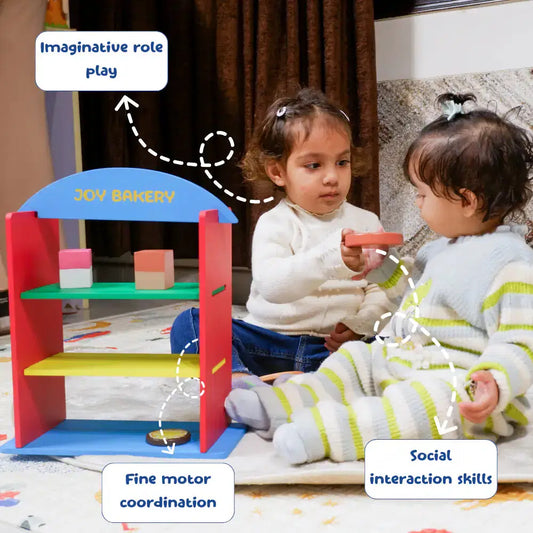
SaleJoy Bakery
Age : 1+ Years4.66 / 5.0
(44) 44 total reviews
Regular price Rs. 1,550.00 INRRegular priceRs. 1,695.00 INRSale price Rs. 1,550.00 INRSale -
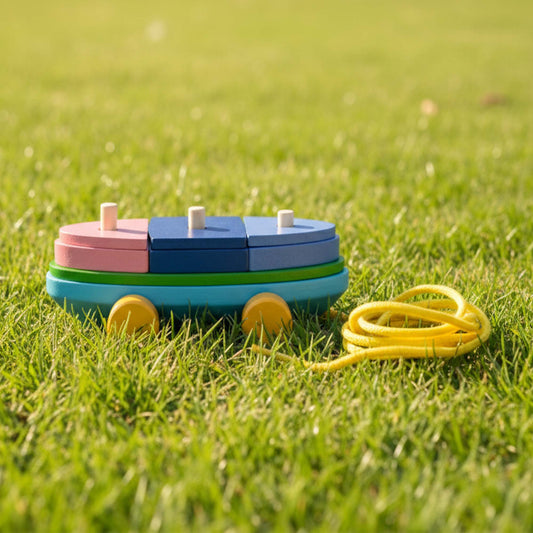
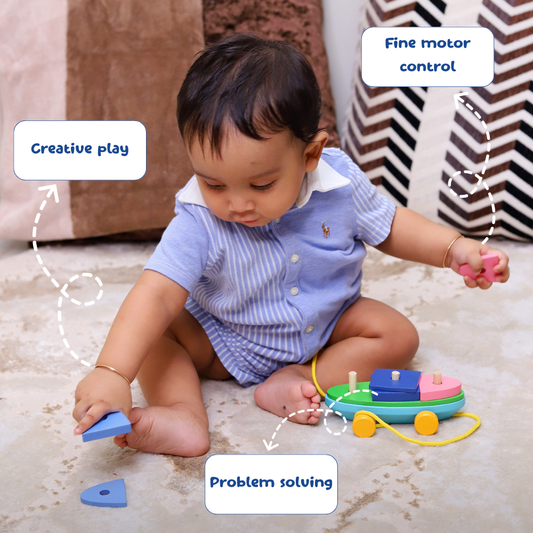
SaleStack and Sail
Age : 1+ Years4.65 / 5.0
(43) 43 total reviews
Regular price Rs. 890.00 INRRegular priceRs. 995.00 INRSale price Rs. 890.00 INRSale
Collapsible content
1. What are fine motor skill toys?
Fine motor skill toys are designed to strengthen the small muscles in a child's hands, fingers, and wrists. These toys encourage actions like grasping, pinching, stacking, threading, sorting, and manipulating objects, which are essential for everyday tasks and future learning.
2. Why are fine motor skills important in early childhood?
Fine motor skills help children perform everyday activities such as feeding themselves, turning pages, buttoning clothes, drawing, writing, and using utensils. Developing these skills early builds confidence and independence.
3. What fine motor skills can children develop through these toys?
JoyCrate's fine motor toys help children improve:
- Hand-eye coordination
- Pincer grip development
- Finger strength and control
- Bilateral coordination
- Dexterity and precision
- Grip and release skills
- Visual-motor integration
4. What age group are these fine motor toys suitable for?
Our Fine Motor Skills Collection includes toys suitable for babies and toddlers from birth to 3 years. Each product includes a recommended age range to help you choose developmentally appropriate activities.
5. Are Montessori toys effective for developing fine motor skills?
Yes. Montessori-inspired toys encourage children to practice real movements through repetition and exploration. Activities such as stacking, fitting, threading, and sorting naturally strengthen hand muscles and coordination.
6. What are the best toys for improving hand-eye coordination?
Shape sorters, stacking puzzles, busy boards, threading activities, grasping toys, peg puzzles, and matching games are excellent for improving hand-eye coordination and control.
7. How do fine motor toys help babies and toddlers?
For younger babies, fine motor toys encourage reaching, grasping, and transferring objects between hands. As children grow, these toys challenge them to stack, twist, lace, and manipulate objects with increasing precision.
8. Can fine motor toys help prepare children for writing?
Absolutely. Strong hand and finger muscles form the foundation for future writing skills. Fine motor activities help children develop the grip, control, and endurance needed for holding crayons, pencils, and scissors later on.
9. What is the pincer grip, and why is it important?
The pincer grip is the ability to pick up small objects using the thumb and index finger. It is an important developmental milestone that supports self-feeding, dressing, page turning, and eventually writing.
10. What are the signs that my child needs more fine motor practice?
Children may benefit from additional fine motor activities if they struggle with grasping objects, stacking blocks, using utensils, turning pages, completing simple puzzles, or coordinating both hands during play.
11. Are these toys safe for babies and toddlers?
Yes. JoyCrate designs and curates toys using child-friendly materials and age-appropriate features to support safe exploration during the early years. The brand prioritizes developmental value alongside safety.
12. How can I encourage fine motor development at home?
Provide opportunities for open-ended play using stacking toys, shape sorters, busy boards, sensory books, puzzles, and grasping activities. Allow your child to explore independently while offering encouragement and supervision.
13. How often should my child engage in fine motor activities?
Short periods of daily practice are most effective. Even 10–20 minutes of purposeful play each day can strengthen hand muscles, improve coordination, and build confidence over time.
14. Are fine motor toys good gifts for babies and toddlers?
Yes. Fine motor toys make thoughtful gifts because they support developmental milestones while keeping children engaged through meaningful, hands-on play.
15. Why choose JoyCrate's Fine Motor Skills Collection?
JoyCrate's Fine Motor Skills Collection features neuroscience-led, Montessori-inspired toys thoughtfully selected to strengthen little hands through joyful play. From grasping and stacking to sorting and threading, every activity is designed to build independence, confidence, and school-readiness skills. JoyCrate believes that tiny fingers truly do big things.